Ice baths have moved well beyond the elite sports changing room. Across NZ, athletes, business leaders, weekend sporting warriors, and wellness enthusiasts are embracing cold water therapy as one of the most effective recovery tools available.
A little crazy perhaps? Well, the science backs it up, and the barrier to entry has never been lower.
Let’s break it down:
What Is an Ice Bath?
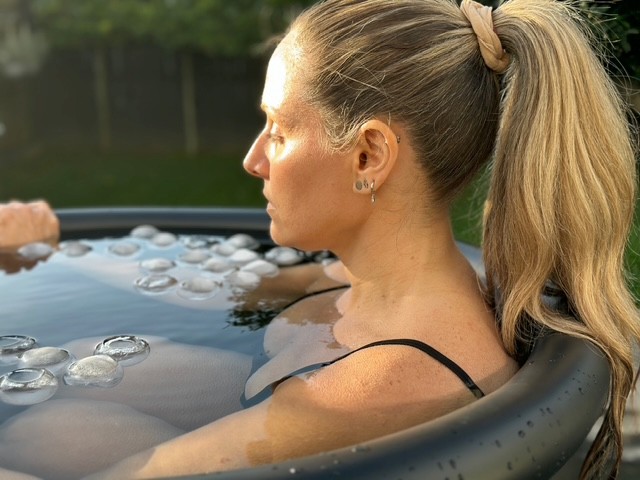
An ice bath, also called cold water immersion therapy, or a cold plunge, involves submerging your body in water cooled to between 3°C and 15°C for a set period of time.
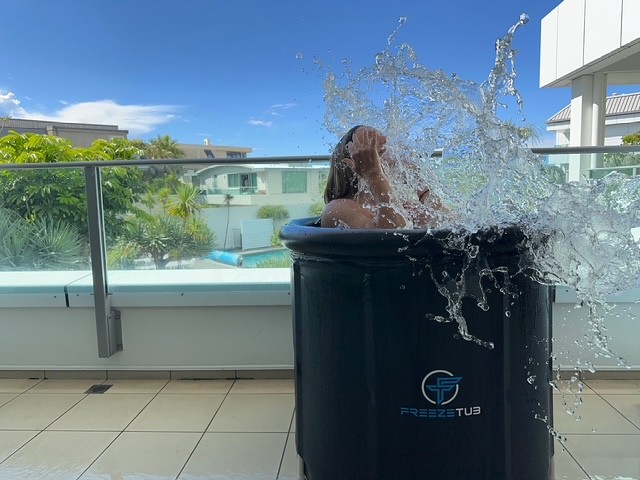
Despite the name, you don’t necessarily need ice, as these purpose-built ice baths are designed to either add ice for the experience or use garden hose water if you’re a first-timer.
What matters is sustained, consistent cold exposure across a large body surface area, for a short period to get the benefits. That’s what separates an ice bath from a cold shower, and why the physiological effects are so much more pronounced.
Pro Tip: After 30 seconds in sub-12-degree water, your body naturally builds a thermal barrier, making the experience (not so cold). To break this and keep the cold water benefits, break the barrier by moving your body in the water slightly every 5 to 10 seconds.
The Science Behind Cold Water Therapy
When you enter cold water, your body responds immediately. Blood vessels near the skin constrict (this is called vasoconstriction), which redirects blood flow to protect your core and vital organs – a natural survival trigger.
When you get out, those vessels rapidly dilate, flushing metabolic waste products like lactic acid out of tired muscles, and you will experience a wave of euphoria.
Cold exposure also triggers a significant release of noradrenaline, up to 300% in some studies. This is a powerful neurochemical linked to alertness, mood, and focus. That’s why most people step out of an ice bath feeling sharply energised rather than depleted. Over time, regular cold exposure trains your nervous system to regulate stress responses more efficiently, both in and out of the water.
Let’s Look At The Benefits of Ice Baths
The most well-supported benefits of regular cold water immersion include:
- Faster muscle recovery – reduced blood pooling and inflammation help muscles recover more quickly between training sessions.
- Reduced soreness – research published in the Cochrane Database of Systematic Reviews found cold water immersion significantly reduces delayed onset muscle soreness (DOMS) compared to passive rest.
- Improved mental resilience – repeatedly choosing to enter cold water and stay calm builds genuine stress tolerance that carries over into daily life.
- Increased energy and alertness – the noradrenaline response produces a clean, sustained energy that many users find more effective than caffeine.
- Better stress management – regular cold exposure recalibrates the body’s stress response over time, producing a progressively more controlled reaction to both physical and psychological stressors.
It’s worth noting that ice baths work best as part of a broader recovery approach. They’re not a shortcut, but used consistently alongside good sleep, your daily USANA vitamin products and strength training, they’re a genuinely effective tool.
How Long Should You Stay In?
This largely depends on your experience level – our recommendation is:
- Beginners: 2–3 minutes at 13–15°C
- Intermediate: 5–8 minutes at 11–14°C
- Advanced: 8–12 minutes at 10–12°C
- Elite: 2-4 minutes at 3-9°C
Most of the documented benefits are achieved within the first 10 minutes. Longer is not always better; beyond 15 minutes, risk increases without proportionate gain.
Evidence suggests that you should focus on controlled breathing throughout, and always have someone nearby when you’re new to the practice – especially if the water is colder than you have experienced before.
People with cardiovascular conditions, Raynaud’s syndrome, or other significant health concerns should consult a healthcare professional before starting cold water therapy.
Why Freeze Tub?
Freeze Tub was founded by Dale Folland, an Auckland-based weekend warrior who loved Football. He discovered that ice baths recovered his body faster than anything else he’d tried.
Dale couldn’t find quality equipment in New Zealand to help his recovery, so he designed the solution himself while over in Canada, where cold water therapy was growing fast.
Every Freeze Tub product is built around six layers of thermal insulation, keeping water cooler for longer and reducing the amount of ice needed per session. The range covers three tiers:
- The Freeze Tub Solo – From $159. The entry-level portable ice bath option for everyday cold water warriors.
- The Freeze Tub Summit – From $199. A more robust cold plunge unit with a removable internal bladder for easy cleaning, plus the Halo lid that prevents rain pooling and acts as a thermal break.
- The Freeze Tub Ice Bath Barrel – From $785. Freeze Tub’s bestseller. Big enough for a 130kg rugby prop over 6’8″, built to handle daily use in any conditions in any setting, Commercial or Residential. Can be hooked up to an ice chiller to maintain chilled water 24/7.
Freeze Tub is New Zealand-owned and operated, with stock held locally and delivery across NZ typically within 3–4 business days. They’ve supplied hundreds of sports teams with recovery equipment and donated dozens of units to charities and fundraising events.
If you’re ready to make cold water therapy a regular part of your recovery, explore the full Freeze Tub range and find the right fit for your training and lifestyle.